
What Defines a Quality Woven Floor Mats Manufacturer
How Does the Woven Process Impact Mat Performance?
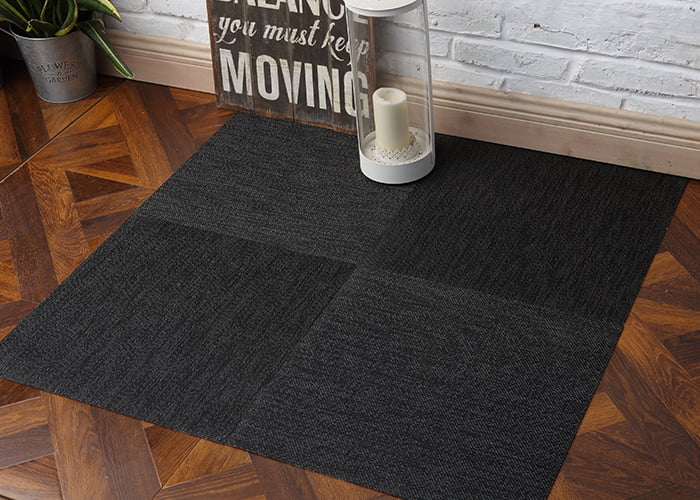
The term "woven" refers to a specific production method where strands of material, such as polypropylene, vinyl, or natural fibers, are interlaced on a loom. This creates a single, unified piece of fabric known for its strength and dimensional stability. A professional woven floor mat manufacturer leverages this technique to produce mats that lie exceptionally flat, resist curling at the edges, and can be designed with intricate, locked-in patterns. The weave's density directly correlates with durability and scraping efficiency. Tighter weaves offer a smoother surface suitable for indoor or decorative use, while coarser, looped weaves are engineered for aggressive dirt removal at entrances. Understanding this core process is the one step in evaluating a manufacturer's technical capability, as it separates woven products from tufted or bonded alternatives
What Should a Buyer Evaluate in a Manufacturer's Portfolio and Capabilities?
When assessing a woven floor mat manufacturer, their product portfolio reveals their specialization and market understanding. A diverse range should address different applications: durable entryway mats, logo mats for corporate branding, anti-fatigue mats for standing areas, and even decorative pieces for residential use. Key evaluation points include material innovation, such as the use of solution-dyed yarns for fade resistance or high-performance polymers for outdoor longevity. Beyond the catalog, a manufacturer’s production flexibility is crucial. Can they handle custom sizes, precise color matches for brand guidelines, and complex custom logo integration directly into the weave? A manufacturer with advanced digital loom technology can execute detailed designs and offer shorter runs for specialized projects, providing significant value over those limited to standard stock designs.
Why Are Material Sourcing and Sustainability Practices Important?
The quality and origin of raw materials are fundamental. A reputable woven floor mats manufacturer should be transparent about their supply chain, detailing the types of polymers or fibers used and their performance characteristics, such as UV stability for outdoor mats or antimicrobial treatments for healthcare settings. Sustainability has become a critical factor in B2B procurement. Buyers increasingly seek information on the recycled content of materials, the environmental impact of the dyeing process, and the overall product lifecycle. Manufacturers that prioritize eco-friendly practices—such as using post-consumer recycled materials, reducing water and energy consumption in production, and offering take-back or recycling programs for end-of-life mats—demonstrate long-term responsibility. This focus not only meets corporate sustainability goals but also often correlates with higher material quality and innovation.
How Does Technical Support and Logistics Separate Leading Manufacturers?
For facility managers and large-scale purchasers, the partnership with a woven floor mat manufacturer extends far beyond the initial sale. Leading manufacturers provide comprehensive technical support, including recommendations on mat selection based on traffic flow, soil types, and safety requirements. They often supply CAD drawings for planning and samples for real-world testing. Reliable logistics are non-negotiable; the ability to consistently meet delivery timelines for both large single orders and scheduled multi-location rollouts is a key operational strength. Finally, clear warranty terms and accessible after-sales service for maintenance advice or handling issues solidify a manufacturer's reputation as a dependable partner. This end-to-end service approach transforms a commodity purchase into a strategic facility solution, ensuring the installed woven floor mats perform as intended throughout their service life.
.jpg "Home Solid Color Linen Table Runner(Grey)")
.jpg "Red Striped Mesh Table Runner")